
Water Damage FAQs in Celina, TX
Questions pile up fast when a building is wet, and answers are hard to track down at two in the morning. Below are the questions Celina owners, renters, and managers bring us most. Every loss differs, so treat these answers as general guidance and call us about yours. If water is moving through the building right now, begin with emergency water damage restoration.
- 24/7 Emergency Calls
- Free Estimates
- Licensed and Insured
Right After You Find Water
What is the first thing to do when water is in my house?
Get everyone clear of danger and call 911 if someone is hurt. Next, stop the water at its source if that is safe, keep away from wet electrical items, and call us for the water and a plumber for the pipe.
Is it okay to call a restoration company in the morning instead?
The longer water sits, the deeper it soaks into floors, walls, and insulation. There is no charge to phone us, and we can help you gauge how urgent it is.
Do I need to turn the power off?
If the water is near outlets, appliances, or light fixtures, power to that area should be off. Turn off the breaker only when the panel is dry and you can reach it without stepping in water. Otherwise, stay out and let an electrician or our team advise you.
Can I wade through standing water?
Not if it might reach outlets, cords, or appliances, and not if it could be sewage or floodwater. Wait for guidance before wading in.
What photos should I take before cleanup begins?
The source of the water, every wet room, damaged belongings, and any visible stains. Take wide shots and close-ups, and keep the photos together for your insurer.
Is it worth moving furniture myself?
Lift small items and valuables out of the water. Leave heavy pieces until it is safe, and don't strain yourself or step through wet areas near electrical items.
Extraction, Drying, and Flooring
What does your crew do on arrival?
We look the damage over, find the source if it is still active, measure moisture, and explain the plan. Water removal starts first, followed by drying equipment and cleanup.
Will you measure moisture in my walls and floors?
Yes. Meters and a thermal camera show which materials are wet, including some behind walls and under floors, and readings tell us when drying is finished.
How many days does drying take?
It depends on how much water there was, which materials got wet, and the conditions in the building. We check readings during the job and tell you where things stand rather than promising a fixed number of days.
Why does drying call for so much equipment?
Air movers sweep air over wet surfaces while dehumidifiers pull the moisture out of the room. Running both together works far better than either one alone.
Will household fans and heaters do the job?
A household fan helps a little in a small spill. For anything larger, professional equipment and measurements are a better bet, and a space heater near wet materials is a fire risk we would avoid.
Can wet carpet and wood floors be saved?
Not always. Clean water caught early can often be dried out of carpet and even some wood. Contaminated water or long exposure usually means replacement, and we tell you honestly which case you have.
Slab Floors, Sewage, and Flood Water
Why is water collecting in my garage or ground-level rooms?
Many Celina homes sit on slabs, so water that has nowhere to drain spreads out and soaks the base of walls and flooring. Causes include leaks, heavy rain, and plumbing failures. We trace the source before drying.
Do you work on basements in Celina?
Yes. Some Celina properties have basements, walkouts, or storm shelters, and we dry them the same way, starting with removing standing water and finding where it came from.
Can you fix a sump pump or a foundation?
No. We deal with the water, the cleanup, and the drying. A plumber, drainage contractor, or foundation specialist handles repairs of that kind.
What if sewage backs up through a floor drain?
Keep people and pets away, avoid contact with the water, and call us. Sewage is a health hazard, and the cleanup involves protective gear and sanitizing.
Is it safe to clean sewage on my own?
We advise against it. Sewage carries bacteria and other contaminants, and porous materials that soaked it up usually must be removed. Our crew works in protective gear.
Is flood or sewer backup covered by a homeowners policy?
Often not by default. Flood damage generally needs separate flood coverage, and sewer backup is often an add-on. Check your policy or ask your agent before you need it.
Who pays to fix a sewer line that backs up?
It depends on where the blockage is. Trouble inside your property may be yours to fix, and a problem in a public line is typically handled by the utility. A plumber or the utility can help sort it out.
Plumbing, Heaters, and Roof Leaks
How do I handle a burst pipe?
Close the main water valve, open a low faucet to drain the lines, keep away from wet electrical items, and call a plumber and us. The plumber stops the leak, and we handle the water.
Is it safe to thaw a frozen pipe on my own?
Gentle warm air, such as from a hair dryer, is the safest approach. Never use an open flame. If you can't reach the frozen section or the pipe has already split, call a plumber.
My water heater is leaking. What now?
Shut the cold supply valve feeding the tank. Turn off power or gas only when that is safe, and if you smell gas, get out and dial 911. After that, a plumber deals with the heater and we deal with the water.
Does a ceiling stain after a storm always mean a roof leak?
It might be, but plumbing, an air conditioner drain line, or condensation can leave the same kind of stain. Rain-related staining that grows after storms points to the roof, and we can check for moisture to help narrow it down.
Will you fix the roof or the plumbing too?
No. A roofer or plumber fixes the source, and we handle the water damage that it caused. We can work alongside them.
Mold Questions
How do I recognize mold in my home?
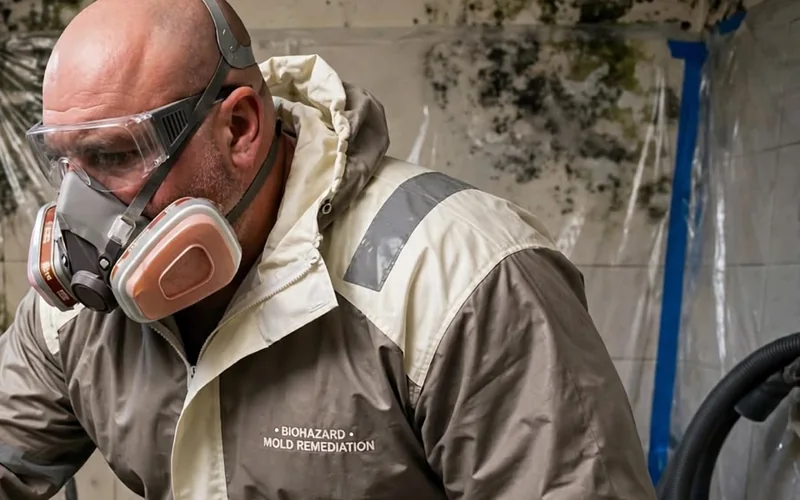
Common clues are fuzzy or speckled patches, a stale smell, bubbling paint, and stains that keep coming back. Because mold often hides, moisture readings and an inspection tell you more than a quick look.
Can mold develop once the water is gone?
Yes. Wet materials that stay damp can start growing mold, and we focus on drying quickly for exactly that reason.
Does Texas require a license for mold work?
Texas licenses mold assessors and remediators through the Texas Department of Licensing and Regulation (TDLR). As we understand it, bigger projects generally need a licensed company. Rules can change, so check with TDLR and ask any company you hire for its license number.
Is bleach the right way to kill mold?
Bleach isn't a cure for mold in porous materials, and mixing it with other cleaners can produce dangerous fumes. Fix the moisture problem first and call a professional for anything beyond a small spot.
Does my policy cover mold?
Coverage turns on your policy language and the source of the moisture. Many policies cap or exclude mold, so ask your insurer before the work starts.
Claims, Estimates, and Records
Can you deal with my insurance adjuster?
Yes. We document the loss, share readings and photos, and can speak with your adjuster at your request.
Can you promise my claim will be paid?
No. Your insurer decides coverage. We provide a record of the damage and the work.
Who do I call first, the insurer or you?
Call us first if water is still spreading, because stopping the damage matters most and most policies expect you to limit it. Then notify your insurer promptly and ask what it requires.
Which records should I hold on to?
Photos, receipts, plumber and repair invoices, a list of damaged items, and copies of anything the insurer sends. We supply moisture logs and our own work notes as well.
Will I get the estimate in writing?
Yes. The estimate is free and written, and we walk through it before work starts.
Is Celina Restoration Pro licensed and insured?
Yes. We are a licensed and insured company, and we can send proof when you or your insurer need it.
Renters, Landlords, and Businesses
I'm a renter. Who should I tell first?
Tell your landlord or property manager right away, because they may need to authorize the work or report the loss. You can also call us for guidance on the first steps.
Do you coordinate with landlords and managers?
Yes. We can coordinate access and send updates and records to whoever needs them.
The water came from the apartment upstairs. Now what?
Photograph what you see, notify your manager, and call us about the water. Who pays is a matter for the owners and their insurers.
Can you schedule around my store hours?
Often, yes. We plan the work around your hours where we can and tell you what that means for reopening.
Celina and Nearby Towns
Do you travel beyond Celina?
Yes. We cover Prosper, Aubrey, McKinney, Frisco, and other nearby towns. The areas we serve page has the full list.
Do new-construction homes get water damage too?
They do. Supply lines, water heaters, appliance hoses, and roofs can fail at any age, and a storm doesn't care how recent the construction is.
Do I need to call 811 before digging?
Yes. Texas811 should be contacted before digging so buried utilities can be marked. A plumber or contractor often places the request for you.
Water collects by my foundation after storms. What helps?
Check that gutters and downspouts carry water away and that the ground slopes away from the house. A drainage or landscaping contractor can advise on fixes, and we handle any water that gets inside.
Using Our Service
Do you answer calls at night and on weekends?
Yes. Emergency calls are answered day and night.
Is there a fee for the estimate?
No. The estimate is free, and we explain it before any work begins.
What details do you need from me on the phone?
Your address, what happened, which rooms are wet, and whether the water might be sewage. Partial answers are fine.
What is the best way to contact you?
Phone us, email us, or fill out the form on our Contact page.
Didn't See Your Question?
Your question missing? Tell us what is going on, or browse our water damage restoration services.