
Structural Drying and Dehumidification in Celina, TX
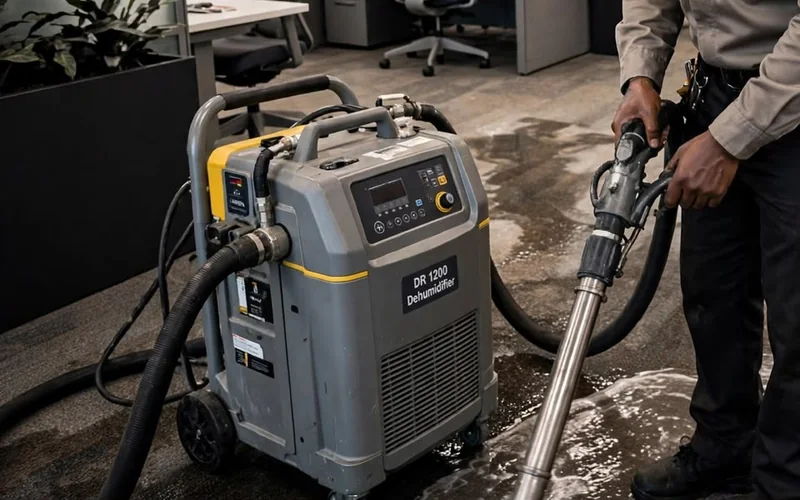
When the standing water is gone, the building is still wet. Moisture stays inside drywall, framing, subfloors, and insulation, and it only leaves slowly if nobody manages it. Celina Restoration Pro dries structures with air movers and dehumidifiers, takes moisture readings on each visit, and keeps going until the materials reach a dry standard.
Drying is where a water loss is either finished properly or left to turn into mold, warped floors, and a smell that will not go away.
- 24/7 Emergency Calls
- Free Estimates
- Licensed and Insured
Why Walls and Floors Stay Wet
Materials Absorb Water
Drywall, wood, insulation, and subflooring take in moisture and release it slowly.
Hidden Cavities Trap Water
Wall cavities, ceiling spaces, and areas under cabinets stay damp long after the surface looks dry.
Humid Air Slows Drying
Texas heat and humidity can keep damp materials from drying on their own, especially in a closed-up house.
Surface Dry Is Not Dry
A floor that feels dry to the hand can still read wet underneath.
What We Use to Dry a Building
- Air movers to push dry air across wet surfaces
- Dehumidifiers to pull moisture out of the air
- Moisture meters to measure how wet materials are
- Thermal cameras to find damp areas behind surfaces
- Cavity drying tools to move air inside walls and under floors
- Temperature and humidity monitors to track conditions in the room
Moisture Solutions Near You in Celina, TX
Our moisture solutions start with measurement and end with a written dry standard. We set up and monitor drying equipment in Celina homes and businesses and in nearby towns. Send us the address and tell us which rooms are wet, and we will explain how the drying visits would run.
How We Dry the Structure
Take Baseline Readings
We measure wet materials and unaffected materials of the same type so we have a dry reference to aim for.
Place Equipment to Match the Damage
We position air movers and dehumidifiers by the shape of the wet area, not by a standard count per room.
Create a Controlled Space
Closing off the drying area helps the equipment work, and we explain which doors and vents should stay shut.
Monitor and Adjust
We return to take readings and move or add equipment when the data says to.
Confirm the Dry Standard
We finish when wet materials match the dry reference, and we leave you with the final readings.
What to Do While Equipment Is Running
- Keep the equipment plugged in and running. Please do not unplug it at night.
- Keep doors and windows shut in the drying zone unless we tell you differently.
- Keep kids and animals clear of the machines and their cords.
- Tell us about any strange smell or noise from the equipment.
- Expect higher electricity use during drying, and ask us if you have questions.
Why Fans Alone Do Not Dry a Home
A household fan stirs the air, but it does not remove moisture. Without a dehumidifier, the water just moves from the structure into the air and then back onto cooler surfaces. Dehumidifiers and air movers work together, and meters tell us whether the combination is working.
Materials We Dry
Wall Board and Insulation
Wall board and insulation near the bottom of walls take on water quickly. We dry them in place when we can and remove them when we cannot.
Subfloors and Flooring
Water gets beneath flooring and into the subfloor. We use drying tools designed to move air through those spaces.
Framing and Cabinets
Studs, plates, and cabinet bases can hold moisture, and we check them with meters.
Ceilings and Attic Spaces
Water from above travels through insulation and ceiling board. We dry those layers and the space around them.
When Drying Alone Will Not Work
Material that soaked up contaminated water, or that already has mold on it, may have to come out and not be dried. You will hear that from us directly. See our mold remediation page for how we handle growth that follows a water loss.